
Like millions of tennis fans across the world, I watched as Alexander Zverev won the U.S. Open Tennis championship in New York in September, 2026. After a grueling four hour game, Zverev beat out American underdog Ben Shelton to win the tournament, and gave one of the most gracious acceptance speeches I’ve heard.
He started by praising Ben Shelton and his team:
"Ben, you're an incredible player and person. It's your first Grand Slam final, but I already told you you're going to be back here many more times. If I had to bet my money on it, I'd bet that you would lift this trophy one day."
It was a lovely show of class, and a throwback to an earlier time, when being gracious was the norm (and a true study in contrasts following Aryna Sabalena’s poor sportsmanship and racket smashing after losing to Irina Rybakina in the US Open).
But what really got me was Zverev’s tribute to his mother, and “most important person not just in tennis, but in my life.” Zverev spoke about how after receiving his diabetes diagnosis at 4 years old, he wasn’t offered much hope of a full life, let alone one as a professional athlete. He said:
“When your four-year-old son gets diagnosed with diabetes and doctors in the office tell you that life and sports will be very, very limited for that child, it takes a very, very strong mother to walk out of those offices and to say ‘my son will be whatever he wants to be’, “If he wants to be a tennis player, he’ll be a tennis player. If he wants to do something else, he’ll do something else. But this illness will not define us, and I’m happy that we worked through it and we’re doing things that we’re doing right now.”
I’m glad to see examples of other mothers saying, “This is not it. This diagnosis is not going to define our path” and push on against great odds. I think that feeling lives inside of every mother, and I think it’s especially true for mothers of children with additional needs. There is no fire that burns quite like that of a mother on a mission, and I was so glad that Zverev gave that public acknowledgement of the brute force and sacrifice his mother made for him.
Regardless of what you are facing now, whether your child has a chronic illness, a mental health condition, or a disability, my hope is that one day, all mothers will hear some form of that acknowledgement, not because they needed fixing, but because the whole world is stacked against moms fighting for their kids.
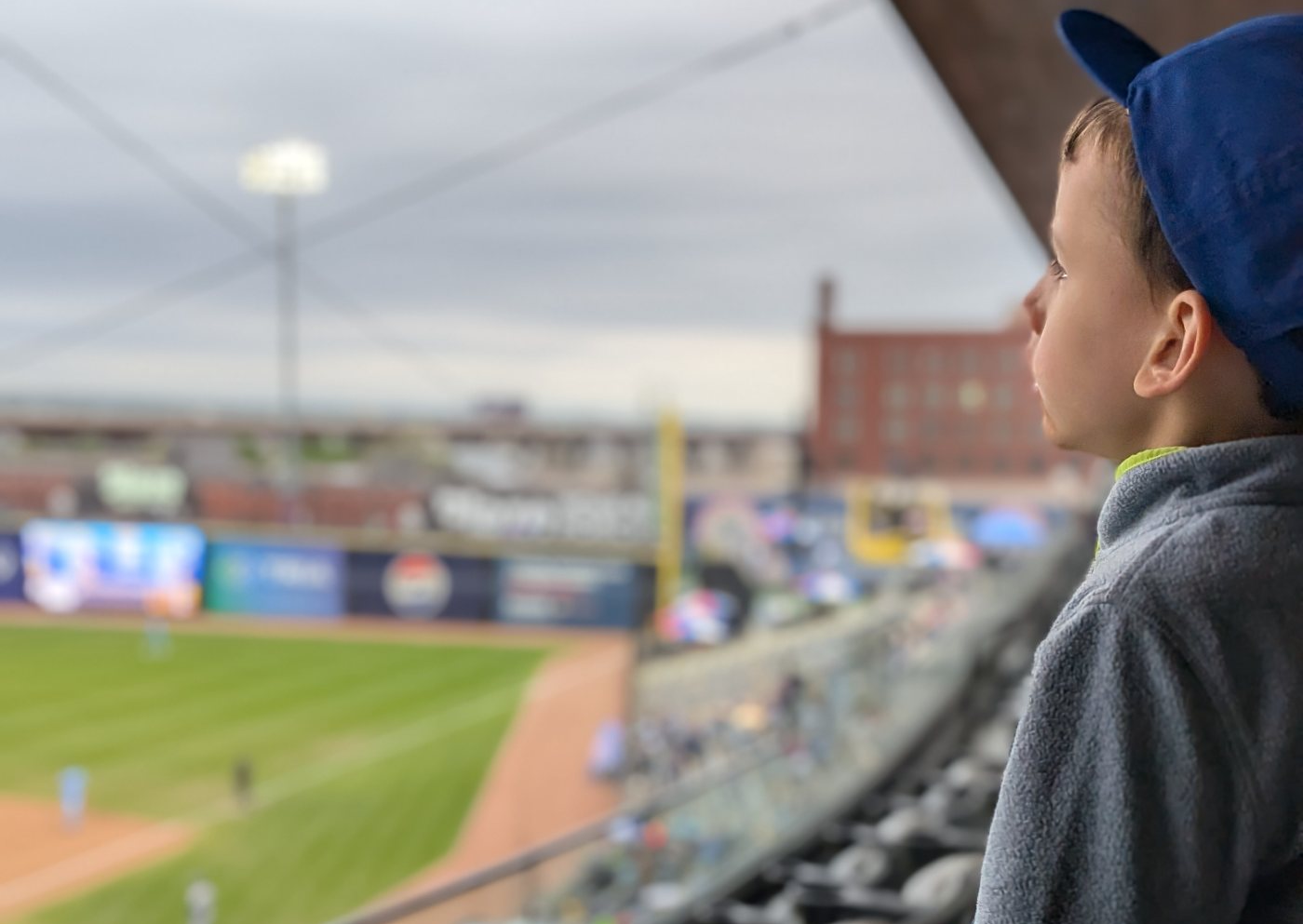
While my son cannot speak, I imagine Zverev’s words to his mother as Henry’s words to me:
“My mother is the most important and the strongest person I know, because it takes an unbelievably strong woman to do what she did. So thanks to her as well.”